A clear approval record identifies the sample, the scope of the review and the decisions still open.
Identify the model and revision
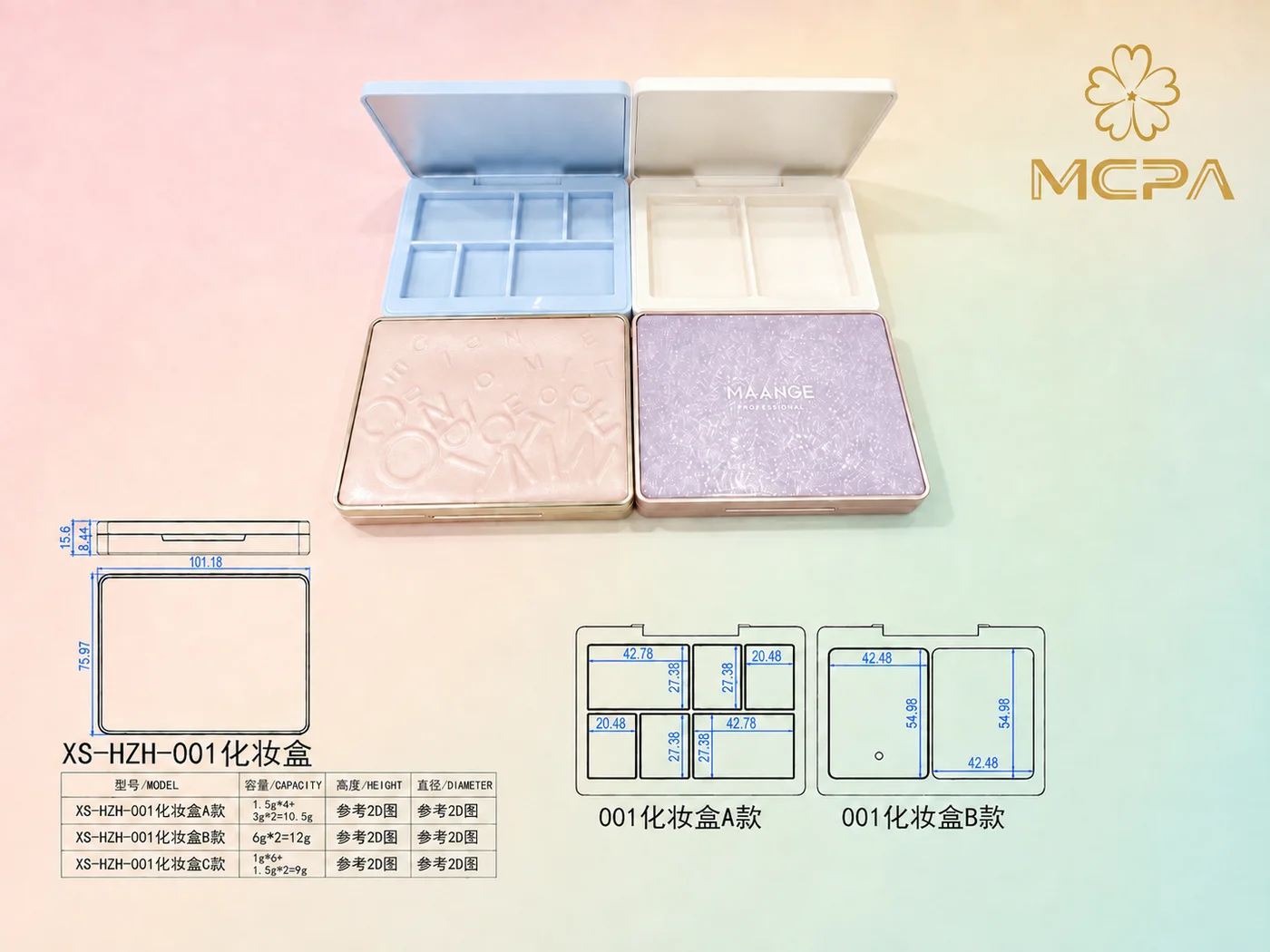
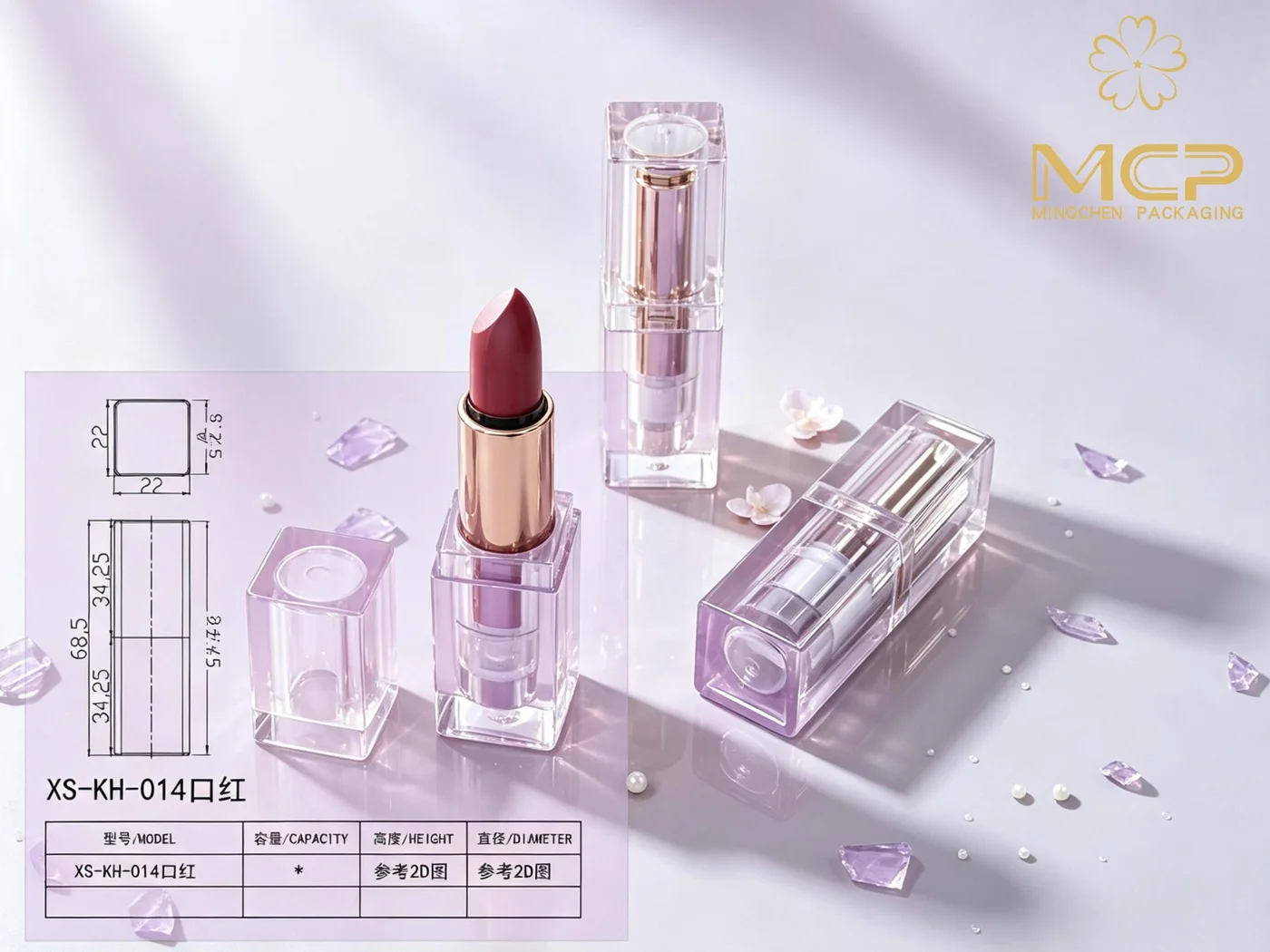
Record the model code, sample identifier and the revision of the drawing or artwork used. If you have several color or finish options, identify each one separately so that feedback cannot be applied to the wrong sample.
Ask which parts represent the intended production configuration. Note temporary features and any items that will be reviewed in a later sample.
Define the review scope
Separate structure, appearance and filled-product considerations. For each area, list what is being reviewed, the reference used and who is responsible for the decision. Do not let an appearance approval be interpreted as approval of an unreviewed specification.
| Record | Example entry |
|---|---|
| Sample identity | Model code + sample or revision reference |
| Appearance reference | Artwork revision + agreed color or physical sample |
| Open issue | Question, owner and evidence required |
| Decision | Approval scope and any stated limitations |
Write feedback that can be acted on
Describe the component and the change you want to discuss. Annotated photographs can support the note, especially for artwork position or appearance differences. Keep the written decision connected to the identified sample.
When a revised sample arrives, review it against the requested changes and record the outcome. Avoid closing an issue only because the latest sample looks generally similar to the reference.
Keep the approved reference accessible
Bring the final drawing, artwork, sample identifier and approval note together. Confirm which people can authorize changes after approval, and ask when a change requires a new review.
The result is a working project record that both sides can use. It should make the next decision easier, with the model and approved scope clear to everyone involved.
Product specifications, available configurations and approval steps must be confirmed for your selected MCPA model.